
EHCP taxi transport: what parents in England are entitled to
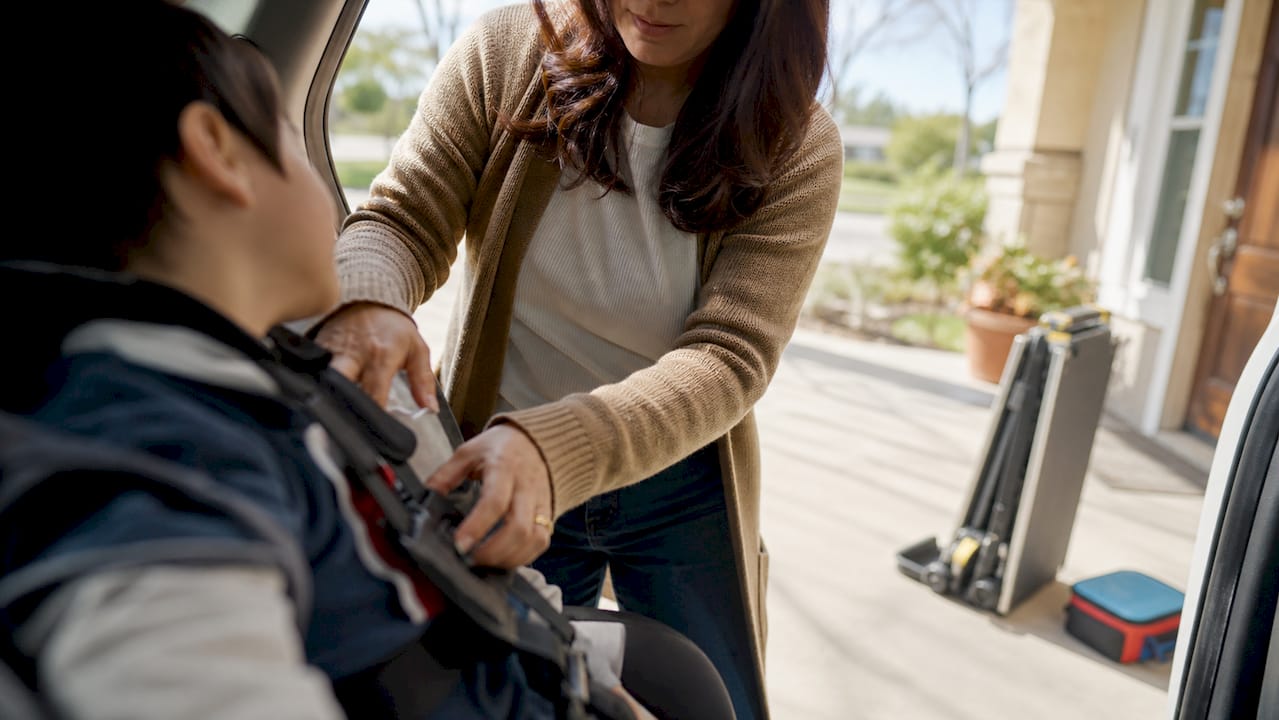
Having an EHCP does not automatically entitle your child to a council-funded taxi. Local authorities assess eligibility on a case-by-case basis, and where a child qualifies, the council must arrange transport that is genuinely “suitable” for their needs, according to Gov. Some councils, including Lancashire County Council, publish detailed policies setting out exactly how that assessment works.
So what should you do right now?
- Find your local authority’s home-to-school transport policy online.
- Contact the transport team directly, not just the SEND team.
- Apply as early as possible, ideally before the new term begins.
Note: an EHCP strengthens your case, but it is the assessment of your child’s actual mobility and safety needs that decides the outcome, not the plan itself.
Key Takeaways
An EHCP alone does not guarantee free taxi transport; entitlement depends on an individual council assessment of suitability, evidence, and distance rules.
| Point | Details |
|---|---|
| No automatic entitlement | Councils assess eligibility individually even when a child holds an EHCP. |
| Evidence drives outcomes | Submit the EHCP, school reports, and medical letters describing travel impact. |
| Expect delays | Applications can take up to six weeks to assess, so apply well before term starts. |
| Suitability can be challenged | Request a review, then use complaints or tribunal routes with IPSEA’s support if transport is unsafe. |
| Phoenix Travel covers interim needs | Fixed fares and DBS-checked drivers support parent-funded or contracted school transport in Gainsborough, Lincoln, and Scunthorpe while council decisions are pending. |
Table of Contents
- How councils decide who qualifies for EHCP taxi transport
- What kind of transport might your council actually offer?
- Applying for school transport: steps and realistic timelines
- When the council’s offer isn’t suitable, and how to challenge it
- Where Phoenix Travel fits into the picture
- Sources
How councils decide who qualifies for EHCP taxi transport
Local authorities have a statutory duty to provide free transport for children who cannot reasonably walk to school because of a disability or special educational need, but nobody gets an automatic yes. Each application goes through an individual assessment, weighing the child’s specific circumstances against the council’s transport policy.
Councils typically look at:
- Whether the school named in the EHCP is the “nearest suitable” one, or whether the family has chosen a school further away.
- The child’s mobility, sensory needs, and any medical conditions that affect safe travel.
- Distance from home to school, since most councils apply statutory walking distance thresholds before SEN needs are even factored in.
- Safety risks specific to the individual, such as seizure disorders, severe anxiety, or behaviours that make public transport unworkable.
Expect to submit the EHCP itself, recent school reports, and any medical or therapy letters that describe how the condition affects travel. The more specific this evidence is, the easier it is for a transport officer to justify an individual arrangement rather than a shared one.
Pro Tip: Ask your child’s school SENCO to write a short, dated letter describing exactly what happens when your child uses standard transport. Vague statements like “finds travel difficult” carry far less weight than “becomes distressed within ten minutes and has left the vehicle twice.”
One thing many parents miss: the rules change sharply after 16. Local authorities have far more discretion over post-16 transport, and support that was automatic at primary or secondary level often has to be renegotiated, sometimes as a discretionary grant rather than a guaranteed service.
What kind of transport might your council actually offer?
“Taxi” rarely means a private car sent just for your child. Councils use several delivery models, and which one you get depends heavily on cost efficiency as much as need.
- Individual taxi — a single vehicle, usually reserved for children whose medical or behavioural needs make shared transport unsafe.
- Shared taxi or minibus — the most common arrangement, carrying several children on overlapping routes.
- Dedicated school bus — larger vehicles on a fixed route, typically used where numbers justify it.
- Public transport pass — bus or rail tickets, sometimes paired with travel training so the child eventually manages the journey independently.
- Mileage allowance or personal transport budget — a payment to parents who arrange their own transport, detailed with specific distance bands in Lancashire’s policy.
Councils generally default to shared transport because it’s cheaper to run, and individual taxis or escorts tend to be reserved for cases where the EHCP explicitly documents why shared travel would be unsuitable.
Before accepting any offer, check for:
- Door-to-door collection versus a pick-up point some distance from home.
- Whether a passenger assistant will travel with your child, and whether that person is DBS-checked.
- Wheelchair access or other mobility equipment fitted to the vehicle.
- A safe, weather-protected waiting area if a pick-up point is involved.
Applying for school transport: steps and realistic timelines
Getting this right starts with paperwork, not phone calls.
- Locate your council’s home-to-school transport page, usually under children’s services or education.
- Complete the SEN transport application form in full, naming the school in the EHCP.
- Attach the EHCP itself, alongside school and medical reports supporting your case.
- Submit well before term starts. Councils commonly warn that assessments can take up to six weeks, and a late application risks your child starting term with no transport in place.
While you wait, contact the transport team for a written update rather than assuming silence means approval. If your child’s placement changes mid-year, reapplication timelines usually restart, so flag any EHCP amendments to the transport team immediately.
Some parents prefer a travel assistance grant or personal transport budget over council-arranged transport, particularly where the family can provide more consistent, less disruptive travel themselves.

Pro Tip: Keep a dated copy of every form you submit and every reply you receive. If the six-week window slips without explanation, that paper trail becomes essential for a complaint.
When the council’s offer isn’t suitable, and how to challenge it
“Suitable” is the legal test, and it’s where most disputes happen. A shared taxi that triggers panic attacks, or a pick-up point your child cannot safely reach unaided, isn’t suitable just because it’s cheaper to run.
If the offer doesn’t fit your child’s needs:
- Request a review, submitting fresh evidence such as incident logs or updated clinical letters.
- Use the council’s formal complaints procedure if the review doesn’t resolve things.
- Consider mediation, or escalate to tribunal with support from IPSEA, which confirms there is no automatic entitlement tied to having an EHCP, but also no lawful basis for councils to ignore genuine safety concerns.
Strong evidence tends to include consistent attendance records, contemporaneous notes describing distress during travel, and risk assessments completed jointly with the school. Where the case is complex or the council is unresponsive, contacting a SEND advice service early can prevent months of delay.
Where Phoenix Travel fits into the picture
Phoenix Travel runs school transport contracts across Gainsborough, Lincoln, and Scunthorpe, with DBS-checked drivers and fixed fares. This suits interim cover while an EHCP transport assessment is ongoing, or parent-funded arrangements once a council grant is agreed.
- Council-commissioned school contract work
- Fixed, transparent pricing with no hidden charges
- Local drivers familiar with the area’s schools and routes
Pro Tip: Private transport never replaces a council’s statutory duty. Check your council’s policy before committing to a private arrangement, in case it affects your entitlement.
A quick word from Mark
Councils move slowly, and that’s frustrating when your child’s routine depends on getting this right. Apply early, keep every letter and form dated, and don’t wait for a crisis before contacting your local SEND advice service. A little organisation now saves weeks of stress later.
— Mark
How Phoenix Travel supports families needing reliable school transport
Phoenix Travel is the practical option for families who need dependable transport now, not in six weeks. Its school contract work across Gainsborough, Lincoln, and Scunthorpe runs on DBS-checked drivers and fixed fares agreed upfront, with local knowledge of school routes and timings that national providers simply don’t have.

Get in touch if you need interim cover while a council assessment is pending, or if you’re arranging your own transport under a personal transport budget or travel assistance grant. Always confirm your council’s current policy first, since a private arrangement doesn’t change your statutory entitlement. When you’re ready to book, check fixed fares and local routes and get a straight answer on availability.
Sources
- Apply for school transport for a child with special educational needs and disabilities
- Children with an education, health and care plan (EHCP) - Lancashire County Council (home to school transport policy 2026–27)
- Free school transport explained — Education Hub (GOV.UK blog)
- Home to school transport: understanding your rights — IPSEA
Recommended
Topics in this guide
Related guides on the blog
All travel guides- Trusted School & SEN Taxi Transport in Lincolnshire: A Guide for Parents and SchoolsHow Phoenix Travel arranges DBS-checked, local authority approved school and SEN taxi contracts across Gainsborough, Lincoln, Scunthorpe and the surrounding villages, with fixed pricing and drivers you can trust with your child's daily journey.
- Lincoln Group Transport for Sports Fixtures: Plan AheadPractical advice for organising Lincoln group transport for sports fixtures — verified kick-off times, agreed pickup points away from matchday traffic, and a clear post-match collection plan.
- Lincoln SEN Transport Communication: Handover PlanningHow authorised carers, schools, our office, drivers and any assigned PA can keep Lincoln SEN transport communication consistent — covering handovers, routine changes and who to tell when plans shift.
- Lincoln Wedding Transport Itinerary: Organise Each LegA practical, leg-by-leg Lincoln wedding transport itinerary that separates the couple's car from guest manifests, with planning placeholders instead of invented timings or prices.